


Education is evolving, and today’s families are seeking learning experiences that focus on the unique needs, interests, and abilities of each child. A child centered curriculum in Plano ensures that students not only gain academic knowledge but also develop critical thinking, creativity, and emotional intelligence. At Willow Bend Learning Center, this philosophy drives every aspect of our program, fostering growth and confidence in every child.
This blog explores why a child centered approach is essential, how it differs from traditional methods, and how families in Plano can benefit from personalized learning experiences. By the end, you’ll understand why prioritizing a child centered curriculum sets the foundation for long-term success.
What is a Child Centered Curriculum?
Definition and Philosophy
A child centered curriculum is designed around the interests, strengths, and developmental needs of each student rather than a one size fits all approach. Unlike traditional education, which often prioritizes rote memorization and standardized instruction, this philosophy emphasizes active learning, creativity, and exploration.
At its core, child centered learning focuses on the whole child: intellectually, emotionally, socially, and physically. It’s an approach that nurtures curiosity and encourages students to take ownership of their learning journey.
How It Differs from Traditional Education
Traditional classrooms tend to follow a teacher led model, where instruction is standardized and progress is measured by exams and grades. In contrast, a child-centered curriculum:
- Adapts to individual learning styles
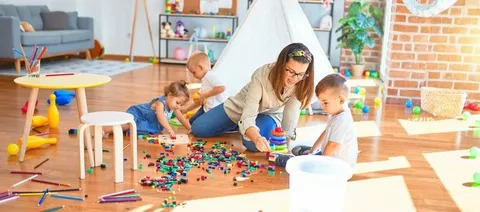
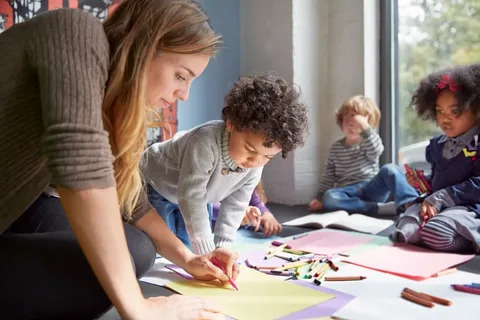
- Encourages collaborative and hands-on activities
- Values student voice and choice
- Focuses on critical thinking rather than memorization
This approach creates a learning environment that is dynamic, engaging, and responsive to each child’s unique needs.
Benefits of Child Centered Learning for Students
Academic Growth and Engagement
Research shows that students engaged in child centered learning demonstrate stronger academic outcomes. By connecting lessons to student interests, children retain knowledge more effectively and develop a love for learning that extends beyond the classroom.
Social and Emotional Development
Child centered education also emphasizes social emotional learning (SEL). Students learn to collaborate, communicate, and regulate emotions, skills that are critical for personal and professional success.
Critical Thinking and Problem Solving Skills
By encouraging exploration and inquiry, child centered programs help students develop higher order thinking skills. They learn not just to answer questions but to ask meaningful questions, evaluate options, and make informed decisions, building confidence that will benefit them throughout life.
How Willow Bend Learning Center Implements Child Centered Curriculum
Personalized Learning Plans
At Willow Bend Learning Center, each student receives a personalized learning plan tailored to their strengths, interests, and areas for growth. Teachers regularly assess progress and adapt strategies to ensure students remain challenged yet supported.
Project Based and Experiential Learning
Learning at Willow Bend is active and hands on. From science experiments to art projects and real world problem solving activities, children learn by doing, reinforcing concepts in meaningful ways.
Integration of Technology and Creativity
Modern tools and creative activities are used thoughtfully to enhance learning. Technology supports interactive lessons and collaboration while still maintaining the personal attention that is central to the child centered approach.
Key Features of an Effective Child-Centered Program
Flexible and Adaptive Curriculum
A hallmark of a child centered curriculum is its flexibility. Lessons are not rigid; teachers adapt instruction based on student feedback and learning pace.
Emphasis on Student Choice
Allowing students to make decisions about projects, topics, and learning methods fosters ownership and motivation. This autonomy encourages independent thinking and accountability.
Collaborative Learning Environment
Students engage in group activities, discussions, and peer learning. Collaboration helps children develop empathy, communication skills, and the ability to work effectively in teams, preparing them for future social and professional settings.

Supporting Parents and Families Through Personalized Learning

Regular Communication and Feedback
Child centered learning is most effective when families are involved. Willow Bend Learning Center maintains regular communication with parents, providing progress updates, insights into classroom strategies, and recommendations for continued growth at home.
Family Engagement in Learning
Parents are encouraged to participate in activities and workshops, bridging the gap between school and home. This partnership between educators and families ensures that children receive consistent support and reinforcement of key skills.
Guidance for Long Term Academic Planning
By understanding each child’s unique strengths and challenges, educators can provide tailored advice for future academic choices, helping families make informed decisions that set the stage for long term success.
Preparing Children for Lifelong Success
Developing a Growth Mindset
Child centered education instills a growth mindset, teaching children that effort, curiosity, and perseverance are as important as innate ability. This mindset enables them to approach challenges with resilience.
Building Real World Skills
Beyond academics, child centered learning emphasizes problem solving, collaboration, and communication skills. Students learn how to apply knowledge to real world situations, preparing them for life outside the classroom.
Fostering Passion and Curiosity
By aligning learning with students’ interests, this approach cultivates intrinsic motivation. Children develop lifelong passions and a genuine love for learning, which is a key indicator of future success in any field.
Conclusion
A child centered curriculum in Plano is more than a teaching method it’s a philosophy that places the student at the heart of learning. By focusing on individualized instruction, experiential learning, and social emotional development, Willow Bend Learning Center equips children with the skills, confidence, and curiosity they need to thrive.
Parents seeking a dynamic, nurturing, and academically robust environment will find that a child centered approach is the key to unlocking each child’s potential. With the right support, children not only succeed academically but also grow into confident, creative, and resilient individuals.
Frequently Asked Questions (FAQs)
What is a child centered curriculum?
A child centered curriculum prioritizes the unique needs, interests, and learning styles of each student, fostering personalized academic and social growth.
How does Willow Bend Learning Center implement this curriculum?
Willow Bend provides personalized learning plans, project-based experiences, and collaborative, hands on lessons tailored to each child’s strengths and interests.
What are the benefits of child centered learning?
Benefits include stronger academic engagement, enhanced social emotional skills, improved critical thinking, and the development of lifelong learning habits.


