


Play Based Social Emotional Learning Matters in Early Childhood
Early childhood is a crucial stage for a child’s emotional, social, and cognitive development. During this period, children begin to understand themselves, interact with peers, and navigate emotions for the first time. Play based social emotional learning (SEL) is an educational approach that leverages the natural curiosity and playfulness of young children to teach essential emotional and social skills.
Research shows that children who engage in structured SEL activities early in life demonstrate improved academic performance, stronger interpersonal relationships, and better problem solving abilities as they grow. According to CASEL (Collaborative for Academic, Social, and Emotional Learning), early interventions in social and emotional skills have long term positive impacts on both personal and academic success.
At Willow Bend Learning Center, we integrate play based SEL into every aspect of our curriculum. From imaginative play to group activities, storytelling, and collaborative projects, children are guided to explore emotions, develop empathy, and build confidence. This approach ensures that learning is both meaningful and enjoyable, preparing children for school and life beyond the classroom.
What Is Play Based Social Emotional Learning?
Play based social emotional learning is a method that teaches children emotional awareness, self regulation, and social skills through interactive, playful experiences. Unlike traditional teaching methods, SEL through play allows children to:
- Explore and understand their own emotions in a safe environment
- Develop empathy by observing and interacting with peers
- Build self confidence and independence
- Practice problem solving and cooperative skills
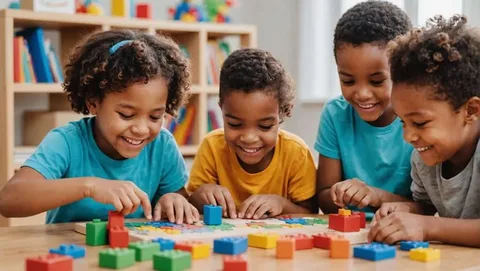
Through play, children internalize these lessons naturally. For example, role playing a scenario where a character feels sad teaches children empathy, while cooperative building activities encourage teamwork and patience. Play based SEL ensures that learning is experiential rather than abstract, which is particularly effective for young learners.
The Importance of Social Emotional Learning in Early Childhood
Early social and emotional skill development lays the foundation for lifelong success. Children who engage in play based SEL gain advantages across multiple domains:
Developing Emotional Intelligence
Children learn to recognize, label, and manage their emotions through interactive activities. For instance, when toddlers engage in imaginative play, they encounter situations where emotions like frustration, joy, or disappointment arise. Guided by teachers, they learn coping strategies and constructive responses, setting the stage for resilience in later life.
Fostering Communication and Cooperation
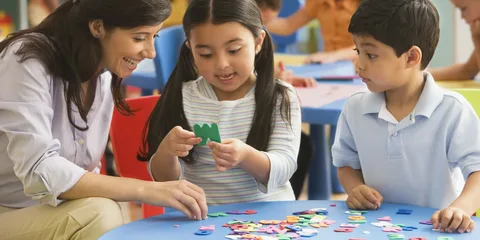
Play based SEL teaches children essential communication skills, including active listening, turn taking, and conflict resolution. During group activities such as cooperative games or collaborative art projects, children practice expressing their needs, understanding others, and negotiating outcomes, which enhances peer relationships.
Enhancing Problem Solving and Creativity
Play encourages experimentation. Children encounter challenges during play, such as building structures or navigating group tasks, and must find solutions collaboratively. This strengthens critical thinking, creativity, and adaptability, helping children approach academic and social challenges with confidence.
How Play Based Social Emotional Learning Works at Willow Bend
At Willow Bend Learning Center, play based SEL is embedded across all programs, ensuring each age group benefits appropriately:
- Infant Program: Gentle play supports attachment, trust, and early emotion recognition. Sensory experiences and responsive interactions teach infants to feel safe while exploring the world.
- Toddler Program: Guided play activities encourage self expression, cooperation, and early problem solving. Toddlers learn to share, follow instructions, and explore curiosity within a supportive environment.
- Preschool Program: Role playing, storytelling, and group activities foster empathy, leadership, and negotiation skills. Children begin to understand perspectives beyond their own, practicing social behaviors in a safe setting.
- After School Program: Collaborative projects, creative games, and real world problem solving experiences enhance teamwork, leadership, and emotional regulation skills.
This comprehensive approach ensures that children not only acquire academic readiness but also develop the emotional and social foundation critical for lifelong success.
Strategies for Effective Play Based Social Emotional Learning
Structured Play Activities
Teachers design purposeful activities that integrate SEL into fun, hands on learning. Examples include:
- Cooperative building exercises
- Problem solving group games
- Storytelling and role play scenarios
- Emotion recognition games using puppets or props
These structured activities guide children toward specific social emotional outcomes while keeping learning engaging and playful.
Child Led Exploration
Allowing children to lead their play builds autonomy, responsibility, and confidence. In child led play, children make choices, experiment with materials, and direct activities. This fosters independent thinking, initiative, and creativity, empowering them to take ownership of their learning.
Storytelling and Role Play
Stories and role playing activities allow children to navigate emotions and social interactions safely. For example, acting out scenarios of sharing, conflict resolution, or expressing gratitude teaches empathy, emotional regulation, and constructive social behavior.
Positive Reinforcement and Reflection
Celebrating effort, collaboration, and emotional growth reinforces positive behavior. Reflection discussions after activities help children understand what they learned, how they felt, and how to apply those skills in real life situations.
 Integrating SEL Across the Day
 Integrating SEL Across the Day
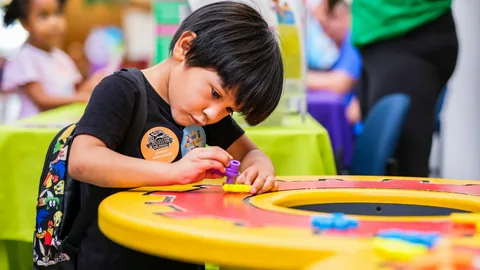
Play based social emotional learning doesn’t only happen during designated activity time—it can be woven throughout the daily routine:
- Meals and Snack Times: Encourage conversation, sharing, and polite interactions.
- Transitions: Use guided reflection or mindfulness exercises during transitions between activities.
- Outdoor Play: Structured games promote cooperation, leadership, and social problem solving.
- Cleanup and Organization: Turn cleanup time into cooperative tasks, teaching responsibility and teamwork.
By integrating SEL into every part of the day, children experience consistent reinforcement of social and emotional skills, creating habits that become second nature.
Benefits of Play Based Social Emotional Learning
- Stronger Emotional Regulation: Children learn to identify and manage feelings constructively, reducing tantrums and behavioral challenges.
- Improved Academic Readiness: SEL enhances attention, memory, and problem solving skills, preparing children for classroom learning.
- Enhanced Social Skills: Empathy, communication, and cooperation skills improve peer relationships.
- Increased Confidence and Independence: Play based SEL empowers children to take initiative and make decisions.
- Lifelong Learning Habits: Early experiences in SEL foster curiosity, resilience, and adaptability.
- Better Conflict Resolution: Children learn to negotiate and resolve disagreements peacefully.
Research Supporting Play Based Social Emotional Learning
Research consistently demonstrates the long term benefits of SEL in early childhood:
- The Perry Preschool Study showed that children who received high quality early education with SEL components had higher graduation rates and better social outcomes.
- CASEL reports that integrating SEL improves academic achievement, reduces behavioral problems, and supports mental health.
- Play based interventions increase emotional understanding, empathy, and cooperative behaviors, providing measurable outcomes for children’s social and emotional growth.
These findings highlight the importance of making SEL an intentional and central part of early childhood education.
Common Misconceptions About Play Based Learning
Play Is Not Serious Learning
Play is a natural and highly effective method for children to internalize social, emotional, and cognitive skills. Learning through play enhances retention and engagement.
Social Emotional Skills Will Develop on Their Own
While children naturally develop some skills, intentional SEL through play accelerates growth and ensures foundational competencies are consistently learned.
Play Based Learning Is Only for Preschoolers
Play based SEL is effective across early childhood stages, from infants to elementary aged children, with strategies adapted to developmental needs at each stage.
How Parents Can Support Play Based Social Emotional Learning
Parents play a crucial role in reinforcing SEL at home:
- Encourage imaginative and cooperative play
- Model empathy, patience, and problem solving
- Read books that explore emotions and discuss feelings
- Celebrate successes and efforts in social interactions
- Provide opportunities for peer interactions in safe environments
Parental involvement strengthens the skills children develop at Willow Bend, creating consistency between home and school.
Future Trends in Early Childhood SEL
Looking forward, early childhood education continues to innovate in SEL:
- Incorporating digital and interactive play tools to reinforce skills
- Increased focus on mindfulness, self regulation, and emotional awareness
- Personalized SEL programs tailored to individual emotional and developmental needs
- Collaborative efforts between parents and educators to create seamless learning experiences
These trends highlight the growing importance of early intervention and the power of play based approaches in nurturing well rounded children.
Conclusion:
Play based social emotional learning is the foundation for a child’s holistic development. At Willow Bend Learning Center, children grow academically, socially, and emotionally through meaningful, engaging play experiences. By fostering empathy, cooperation, creativity, and self confidence, our programs prepare children for success both in school and in life.
Through the combined efforts of skilled educators, supportive parents, and intentional play experiences, children develop a strong foundation for lifelong learning, resilience, and well being. Play based SEL ensures that learning is joyful, effective, and transformative empowering every child to thrive.
Frequently Asked Questions (FAQs)
What is play based social emotional learning?
It is a method that uses guided play and child led activities to help children develop emotional intelligence, social skills, and interpersonal understanding.
Why is social emotional learning important for young children?
SEL helps children manage emotions, build relationships, communicate effectively, and develop critical thinking skills essential for lifelong success.
Can infants benefit from SEL?
Yes, even infants develop early attachment, trust, and emotional recognition through responsive play experiences.
How does Willow Bend integrate SEL into daily routines?
SEL is embedded into structured and unstructured activities, including role play, cooperative games, storytelling, and hands on exploration.
How can parents support SEL at home?
Parents can encourage imaginative play, model empathy, discuss emotions, reinforce cooperative behavior, and engage in family activities that teach problem solving and collaboration.


